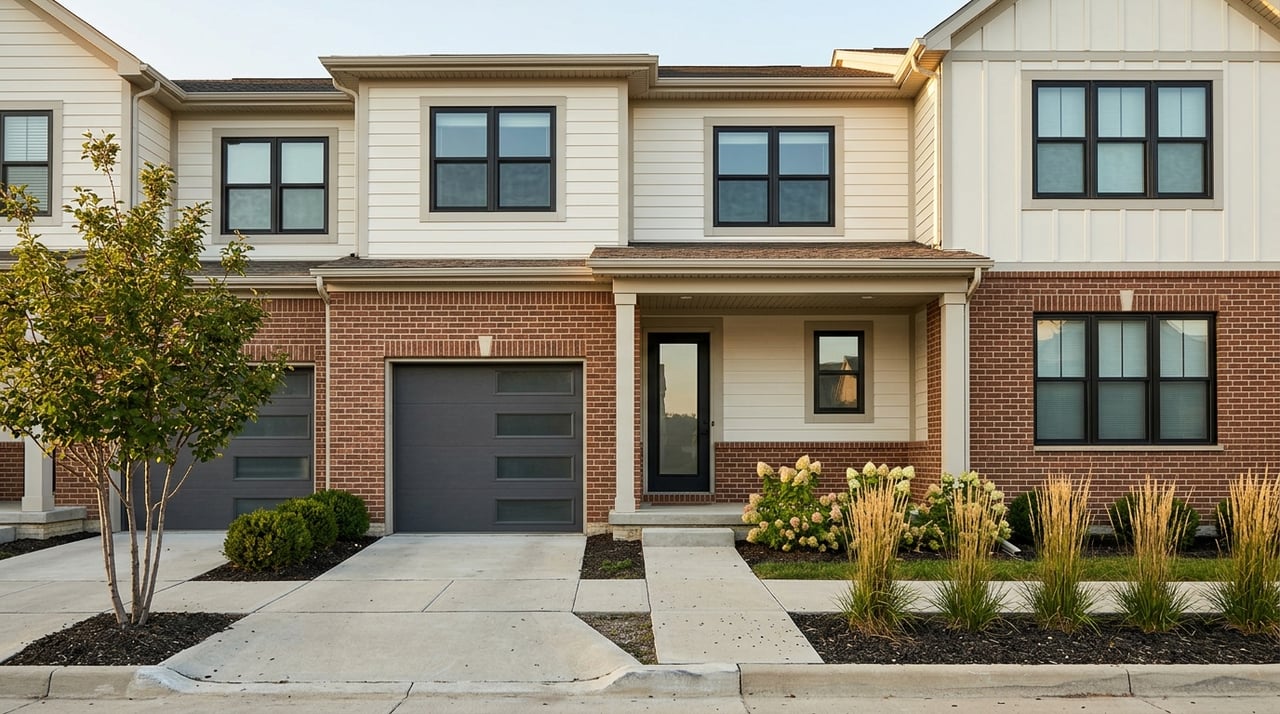
Thinking about buying a condo or townhome in Douglas County? You are not alone. In Omaha, attached homes can offer a lower-maintenance path to ownership, but the right choice depends on more than price alone. If you understand how ownership works, what monthly costs really include, and how a community’s financial health can affect financing and resale, you can buy with much more confidence. Let’s dive in.
Condo vs. townhome basics
If you are comparing condos and townhomes in Omaha, the first thing to know is that the legal structure matters more than the listing label. Two properties may look similar online, but they can come with very different ownership rights, association rules, insurance needs, and lender requirements.
In Nebraska, a townhouse is defined as a dwelling unit in a row of two or more attached units on an individual lot or parcel that shares at least one common wall. A condo, by contrast, is typically owned as an individual unit within a larger project that includes shared common elements managed by an association.
That difference shapes how you own the property. A townhome may be fee-simple real estate with HOA covenants, while a condo usually includes shared ownership of common elements through the association. Before you fall in love with the floor plan, make sure you understand the declaration and title structure.
How the layout may feel different
Condos often sit within a larger building or planned community. They can be high-rise, mid-rise, garden-style, or even townhome-style in appearance. What they share is an association-based ownership structure tied to common areas and common rules.
Townhomes often feel a bit more like a traditional house because they are attached side-by-side and may sit on their own parcels. You still share at least one wall, and you may still have HOA obligations, but the ownership setup can be different from a condo project.
Omaha pricing snapshot
Current Omaha listing data shows 83 condos for sale at a median asking price of $258,000 and 70 townhouses at a median asking price of $370,000. That tells you condos are often the lower-price entry point in the current market, while townhomes may command more for space, layout, or a more house-like feel.
Douglas County’s median sale price reached $309,136 in April 2026, up 8.4% from a year earlier. Homes sold at 101.4% of list price on average, which shows buyers are still competing for well-positioned properties.
That said, asking price is only one part of the picture. With condos and townhomes, your monthly budget and the health of the project can matter just as much as the number on the listing.
Monthly costs matter more than sticker price
One of the biggest mistakes buyers make is focusing only on the purchase price. With attached housing, you also need to look closely at dues, insurance, taxes, utilities, and maintenance responsibilities.
Condo or HOA dues are usually paid separately from your mortgage. Depending on the property and the amenities, those dues can range from a few hundred dollars a month to more than $1,000. That is why the better question is not just, “Can I afford the home?” but “Can I comfortably afford the full monthly cost?”
What dues may cover
Condo fees often pay for exterior maintenance and common-area upkeep. They may also include water, sewer, trash, insurance, reserve funding, or access to recreational amenities.
Townhome HOA dues can also cover some shared services, but the scope varies from one project to another. You need to see exactly what is included and what still falls on you as the owner.
What to include in your budget
When you compare options, include all of the following:
- Mortgage principal and interest
- Property taxes
- Your own insurance policy
- HOA or condo dues
- Utilities
- Ongoing maintenance
- Any known special assessments
In Nebraska, condominium taxes and assessments are charged against each individual unit rather than the building as a whole. That means you should review the tax burden on the specific unit, not just the project in general.
Nebraska condo disclosures buyers should know
If you are buying a resale condo in Nebraska, the seller must provide important documents that help you understand the property and the association. This is one of the most useful protections you have as a buyer, and it gives you a clearer view of the project before closing.
The resale package must include the declaration, bylaws, rules, assessment information, other fees, the latest balance sheet and income-expense statement, the current operating budget, insurance information, lease-term information if applicable, and any threatened or pending litigation. The association must supply the information needed to complete that package within 10 days after request.
For buyers, this paperwork is not just routine. It is where you can spot signs of a well-run project or potential red flags that may affect your costs, financing, or future resale.
Questions to ask before you buy
Whether you are considering a condo or a townhome, a few smart questions can save you from expensive surprises later. This is where having a local, hands-on guide matters, because the details inside the association documents often tell the real story.
Ask these questions before you commit:
- What do the monthly dues cover?
- How much money is in reserves?
- Are there any pending special assessments?
- Are there structural repairs underway or planned?
- Is there any threatened or pending litigation?
- What does the master insurance policy cover?
- What insurance do you need for the unit interior?
- Are there restrictions on rentals, pets, parking, or exterior changes?
- Does the project meet typical lender project guidelines?
A project can look great on the surface and still create financing issues if the association has weak reserves, high delinquency rates, unresolved structural concerns, or legal disputes. Those factors can also affect your resale flexibility later.
Financing and insurance can be more complex
With a condo, lenders and insurers often look at more than your credit and income. They may review the entire project, including the financial stability of the association, the condition of the property, structural concerns, inspections, lawsuits, reserve studies, special assessments, and delinquent dues.
That means your loan approval may depend partly on factors outside your individual unit. Even if the home seems affordable, the project itself must meet certain standards for some loan programs.
Insurance is usually split
For condos, the association usually carries master insurance for common areas. You still need your own policy for your unit and personal property. Many HOA-governed townhomes also involve a similar split, though the details vary by community.
This is another reason to read the documents carefully. You want to know where the association’s coverage stops and where your responsibility begins.
Resale depends on project health
Douglas County’s market remains active, with a median of 31 days on market in the broader county snapshot. In a competitive market, a well-kept condo or townhome in a well-managed project can still offer healthy resale potential.
But resale strength is not just about location or interior updates. It also depends on predictable dues, healthy reserves, limited delinquencies, and no major deferred maintenance or litigation issues.
If two similar units hit the market at the same time, buyers and lenders may favor the one in the stronger project. That is why attached-home shopping should include both the home itself and the association behind it.
Which option may fit you best
There is no one-size-fits-all answer. The better choice depends on how you want to live, what level of upkeep you want, and how the monthly numbers work for your budget.
A condo may fit you if
A condo may be a strong fit if you want the lowest-maintenance version of attached living. It can also make sense if you want a smaller footprint, shared amenities, or a lower current entry price than many townhomes in Omaha.
The tradeoff is that project rules and dues can play a larger role in your day-to-day ownership experience. You want to be comfortable with both before you buy.
A townhome may fit you if
A townhome may fit you better if you want an attached home that feels more like a traditional house. In Omaha’s current listing snapshot, townhomes are priced higher than condos at the median, which may reflect differences in space, privacy, or layout.
You may still have HOA obligations, but the ownership structure can be more fee-simple in nature. That can appeal to buyers who want a little more separation while still benefiting from some shared maintenance.
The smartest way to decide
The best decision framework is not simply condo versus townhome. It is total monthly cost, HOA or association health, insurance scope, and how long you expect to stay.
If you plan to stay for several years, financing flexibility and resale potential should matter. If you want the easiest day-to-day ownership, maintenance coverage and rules may matter more. If you are watching your budget closely, monthly dues and insurance costs deserve just as much attention as the purchase price.
In Douglas County, attached homes can be a smart option, but the right one is the property that fits your finances, your lifestyle, and the strength of the project behind it. If you want a practical second set of eyes on the numbers, documents, and resale factors, Lisa Zimmerman can help you compare your options with confidence.
FAQs
What is the difference between a condo and a townhome in Douglas County?
- In Nebraska, a townhouse is an attached dwelling on an individual lot or parcel that shares at least one common wall, while a condo is usually an individual unit within a larger project with shared common elements and association governance.
What do condo dues usually cover in Omaha?
- Condo dues often cover exterior maintenance and common-area upkeep, and they may also include water, sewer, trash, insurance, reserve funding, or recreational amenities depending on the project.
What should buyers review before buying a Nebraska condo?
- You should review the declaration, bylaws, rules, assessment details, budget, financial statements, insurance information, and any threatened or pending litigation to better understand costs and project health.
Can HOA or condo assessments become a lien in Nebraska?
- Yes, unpaid condo and HOA assessments can become recorded liens, and Nebraska law allows foreclosure in a manner similar to a mortgage.
Why does project health matter when financing a condo in Omaha?
- Lenders may review the entire project, including reserves, delinquent dues, structural concerns, inspections, lawsuits, and special assessments, not just your individual unit.
Are condos or townhomes cheaper in Omaha right now?
- In the current Omaha listing snapshot, condos have a median asking price of $258,000 and townhouses have a median asking price of $370,000, though your total monthly cost can vary based on dues, taxes, insurance, and maintenance.