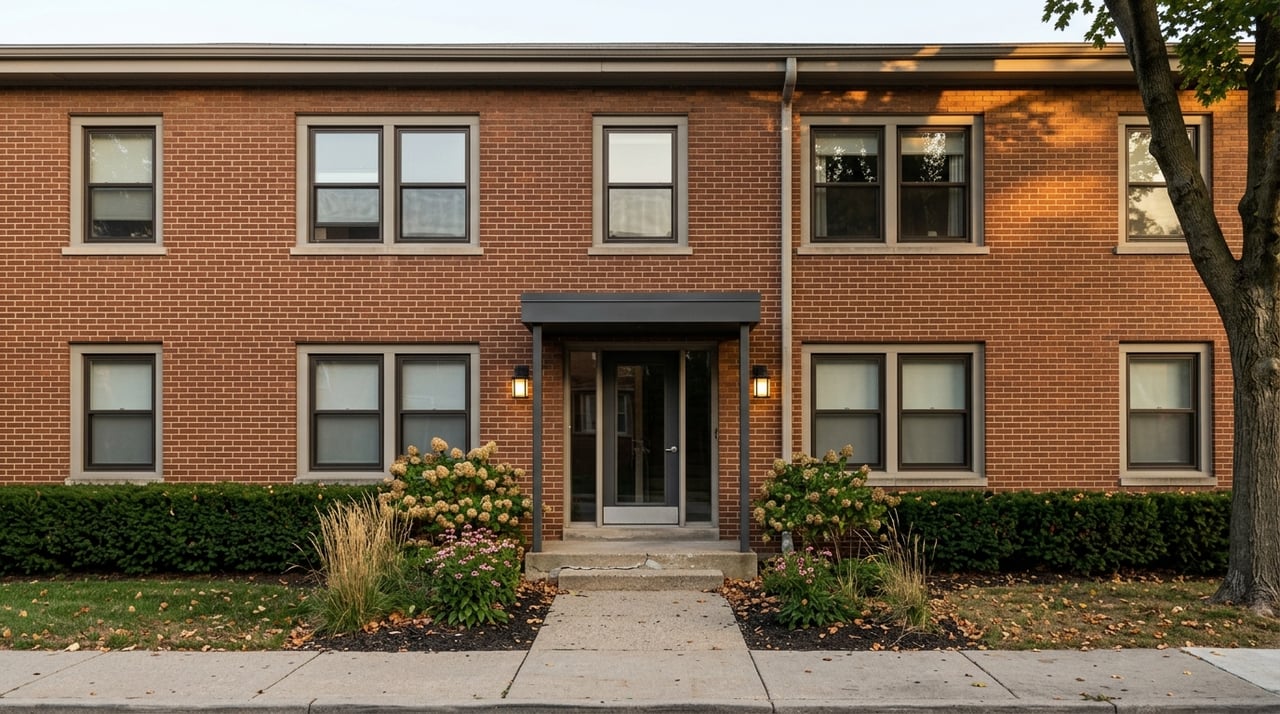
Thinking about buying a duplex, fourplex, or small apartment building in Pottawattamie County? Multifamily can look simple on the surface, but the numbers only work when you understand local rents, vacancy, taxes, and property condition. This guide will walk you through the basics so you can screen opportunities more confidently and focus on the details that matter most in Pottawattamie County. Let’s dive in.
Why Pottawattamie County Draws Investors
Pottawattamie County is part of the Omaha-Council Bluffs metro area, which matters because housing demand is shaped by cross-river commuting and metro-level economic ties. That regional connection helps support renter demand, especially in and around Council Bluffs and other areas with easy access to the larger metro.
The county’s 2025 population estimate was 92,996, compared with 93,529 in 2024 and 93,667 in the 2020 Census. That slight decline suggests you should underwrite conservatively and avoid assuming fast growth will solve a weak deal.
Countywide housing data also points to a steady, mature market. QuickFacts shows 40,955 housing units, a 69.9% owner-occupied rate, median owner value of $195,700, median gross rent of $1,018, median household income of $73,602, and an average commute time of 19.8 minutes.
What Counts as Multifamily
In practical terms, multifamily housing includes residential buildings with multiple units that are side-by-side or stacked, often with shared systems or common areas. The Census groups these properties into 2-unit, 3-to-4-unit, and 5-plus-unit categories.
For many first-time investors, that means your search may start with a duplex, triplex, or fourplex before moving into larger apartment buildings. Each category can behave differently when it comes to financing, maintenance, and day-to-day management, so it helps to compare deals within similar property types.
Start With the Right Deal Metrics
Before you get too attached to a property, run a simple first-pass screen. In Pottawattamie County, the most important early numbers are usually occupancy, rent level, operating expenses, taxes, and capital needs.
Countywide vacancy was 6.1% in the Iowa State University county profile. In Council Bluffs, the vacancy rate was 5.8%, which gives you a useful local benchmark when you review current occupancy on a listing.
HUD FY 2026 Fair Market Rents for the Omaha-Council Bluffs metro area are:
- Studio: $1,090
- 1-bedroom: $1,148
- 2-bedroom: $1,368
- 3-bedroom: $1,813
- 4-bedroom: $2,046
These numbers are helpful screening tools, but they are not the same as true neighborhood rent comps. Use them as a reference point, then compare them against actual local unit condition, layout, and location within the county.
Council Bluffs Deserves Special Attention
Council Bluffs is the largest city in the county, with 62,799 residents counted in the 2020 Census. It also has 27,616 housing units, a 36.9% renter occupancy rate, and median gross rent of $1,030.
For multifamily investors, that renter base matters. It points to a deeper pool of tenants than you may find in more rural parts of the county.
Council Bluffs also has a lot of older housing stock, with many units built before 1940. That can create value-add opportunities if you know how to spot layout improvements, deferred maintenance, and cosmetic upgrades that support better rents.
At the same time, older buildings can carry higher risk. Roofs, foundations, plumbing, electrical systems, windows, and mechanicals can quickly change your budget, so rehab upside should always be balanced against real capital expense planning.
How to Think About Value-Add Potential
A value-add multifamily deal usually means the property has room for improvement in rents, occupancy, condition, or operations. In Pottawattamie County, older in-town inventory may offer that potential, especially when the unit mix and location support stable demand.
That does not mean every older building is a good investment. A property with outdated finishes can be a manageable project, but major system issues can erase your returns fast.
When you review a possible deal, look at both the upside and the repair burden. Ask whether the improvements are mostly cosmetic or whether they involve larger structural or mechanical costs.
A practical checklist includes:
- Current rent versus market-supported rent
- Actual occupancy versus local vacancy patterns
- Age and condition of roof, HVAC, plumbing, and electrical
- Exterior condition and drainage
- Unit turns needed to reach target rents
- Common-area condition and safety issues
- Deferred maintenance that could affect reserves
- Property tax burden and any delinquent taxes
Local Data Sources You Should Use
One of the biggest advantages you can create as an investor is better local research. In Pottawattamie County, useful underwriting data is spread across several public offices, so knowing where to look can save you time and help you avoid surprises.
Assessor Records
The county assessor is a key source for assessed values, exemptions, market value tools, and sales by category. The assessor page also notes that taxpayers may inquire about assessments from April 2 to April 25 and protest from April 2 to April 30.
For investors, that matters because property taxes can change your numbers quickly. Reviewing assessed value history and comparable sales can help you pressure-test whether a price makes sense before you go too far.
Recorder Records
The county recorder provides access to real estate records, including AVA records and an index-book database covering 1853 to 1989. Records after 1989 are available through the online real estate search.
This can help when you need to review recorded history and verify how a property has changed over time. It is especially useful for older buildings where the paper trail may matter more.
Auditor Records
The county auditor handles transfer and plat records and provides support for title-chain review and parcel split or combination approval. The county notes that splits or combinations must be approved by the appropriate planning department and that parcels must be free of certified taxes and special assessments.
If you are evaluating a property with a lot configuration issue, a legal description question, or a future split idea, this becomes part of your diligence process. It is better to verify that early than to make assumptions after closing.
Treasurer Records
The county treasurer is the place to verify tax status, partial-payment options, delinquency handling, and tax sale information. The county states that partial payments are allowed for current taxes and that delinquent parcels are offered at the annual tax sale in June.
From an investor standpoint, unpaid taxes are never a small detail. Always verify tax status directly during diligence and make sure the property does not come with avoidable surprises.
Understand Iowa Property Tax Basics
In Iowa, property tax follows a state-driven system. The assessor sets valuation and classification, the county auditor sets levy rates, and the county treasurer collects the tax.
The Iowa Department of Revenue says most real property is assessed every odd-numbered year, with assessment notices in April. There is also an informal review window from April 2 to April 25 and a protest window from April 2 to April 30.
For a multifamily buyer, the main takeaway is simple: do not treat current taxes as a fixed number without reviewing valuation, classification, and the local record. Tax changes can affect cash flow more than many first-time investors expect.
Know the Iowa Landlord-Tenant Framework
If you are buying multifamily property, you are not just buying units. You are stepping into a legal framework that governs deposits, disclosures, lease terms, maintenance obligations, and notice rules.
Iowa’s Uniform Residential Landlord and Tenant Law, Chapter 562A, covers many of the rules that affect residential rental property. For a new investor, the most important point is that your lease forms, deposit handling, and maintenance practices should match state law.
That is why diligence should include more than the building itself. You should also review existing leases, operating practices, and whether the current setup appears consistent with Iowa requirements.
A Smart Underwriting Mindset for This Market
Because Pottawattamie County is a relatively steady market rather than a fast-growth story, disciplined underwriting matters even more. A good deal here is often created by buying at the right basis, managing expenses carefully, and planning reserves realistically.
That means you should focus less on hopeful appreciation and more on the basics:
- In-place rents
- True operating costs
- Vacancy assumptions
- Near-term repair needs
- Long-term capital reserves
- Property tax exposure
- Lease quality and tenant stability
This is especially important in older multifamily stock, where hidden maintenance can affect returns. Strong investments are often the ones that still make sense after you budget for the unglamorous parts of ownership.
Where Opportunity May Be Strongest
Based on the county’s metro connection, renter base, and housing stock, smaller multifamily opportunities are likely to be more concentrated around Council Bluffs and the Omaha commuter shed than in the county’s rural fringe. That does not guarantee a good deal, but it does help explain where many investors start looking.
In those areas, local knowledge matters. Two buildings with similar unit counts can perform very differently based on condition, tax profile, layout, and their place within the broader metro pattern.
That is where having a local guide can make the process more efficient. When you can combine public records with on-the-ground market context, your underwriting gets sharper and your decisions get more confident.
If you are exploring duplexes, fourplexes, or larger multifamily opportunities in Pottawattamie County, working with someone who understands both the Omaha metro and the Iowa side of the market can help you move with more clarity. To talk through value-add potential, local data, and current opportunities, connect with Lisa Zimmerman.
FAQs
What is considered multifamily property in Pottawattamie County?
- Multifamily generally means a residential building with more than one housing unit, including 2-unit, 3-to-4-unit, and 5-plus-unit properties.
What vacancy rate should you compare against for Pottawattamie County multifamily deals?
- A useful benchmark is 6.1% countywide vacancy, with Council Bluffs at 5.8%, based on the local Iowa State University profiles.
What rent benchmarks can help screen multifamily property in Pottawattamie County?
- HUD FY 2026 Fair Market Rents for the Omaha-Council Bluffs metro area can help with early screening, but you should still verify actual local rent comps by unit type and condition.
Why do older Council Bluffs multifamily properties attract investors?
- Many housing units were built before 1940, which can create value-add potential through updates and improved operations, but it can also increase maintenance and capital expense risk.
Which county offices matter most when researching a multifamily property in Pottawattamie County?
- The assessor, recorder, auditor, and treasurer all play important roles for reviewing value, records, parcel history, and tax status during diligence.
What Iowa legal issue should first-time multifamily investors review before closing?
- You should review how existing leases, deposits, disclosures, and maintenance practices align with Iowa’s Uniform Residential Landlord and Tenant Law, Chapter 562A.