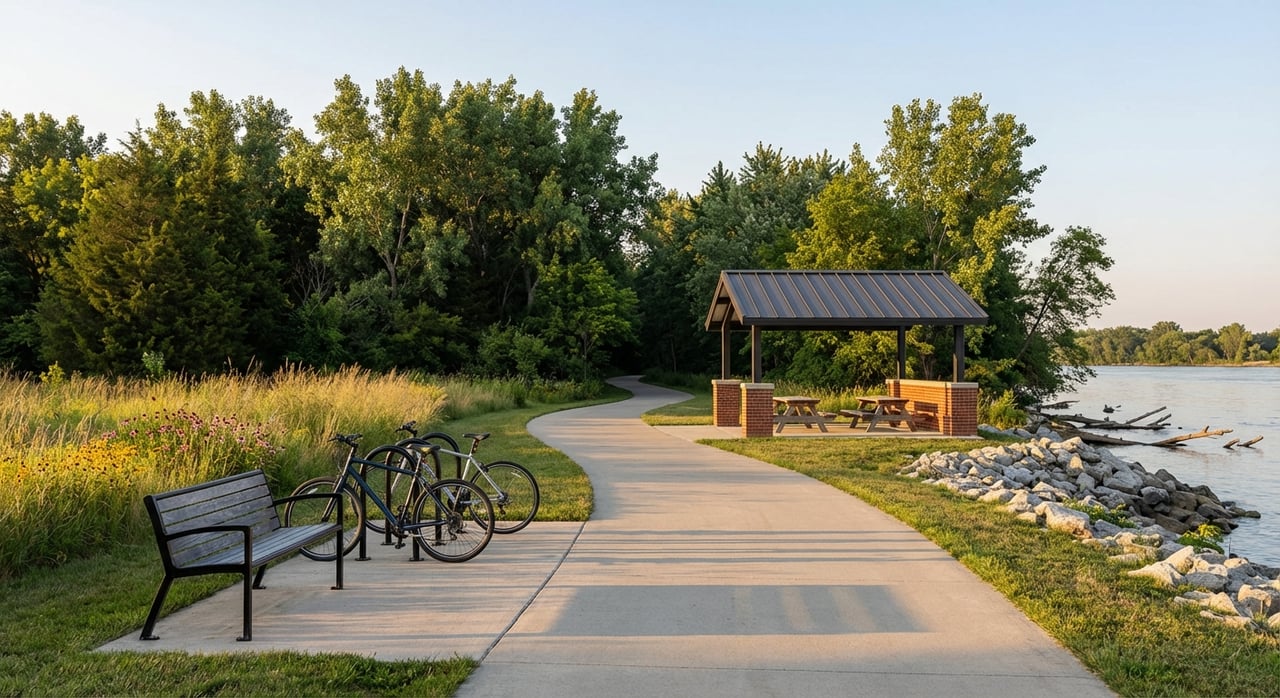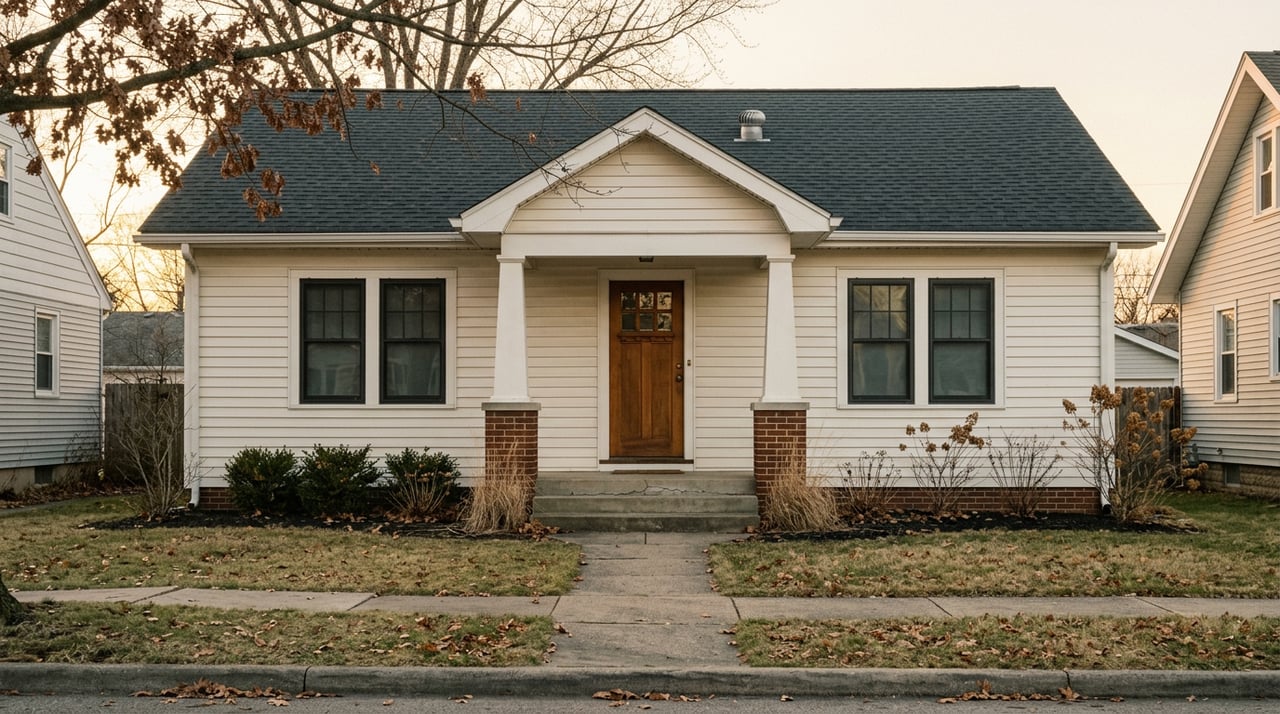
Ready to hop the river and make Pottawattamie County home? Moving from Nebraska to Iowa brings a few new rules, different timelines, and some helpful programs you can tap into. You want a clear plan that keeps your Nebraska sale and your Iowa purchase in sync. In this guide, you’ll learn how Iowa disclosures work, what to expect at closing, which inspections matter most here, how property taxes are paid, and the steps to line up your financing and move. Let’s dive in.
Market basics and timing
Pottawattamie County, including Council Bluffs and nearby towns, often feels more affordable than many Omaha neighborhoods. Inventory and days on market can shift month to month. You’ll want to shape your offer strategy around current local pace rather than assumptions from Nebraska.
From contract to keys, most financed purchases close in about 30 to 45 days. Cash can move faster. If you are also selling a Nebraska home, build in buffer time for two title companies, lender conditions, and recording on both sides of the river.
Expect a title search, a title commitment, and a set closing appointment coordinated by your title or closing office. The Pottawattamie County Recorder handles the recording of deeds and mortgages. If you are curious about local recording basics, review the county’s recorder information for filing details and contacts through the Pottawattamie County Recorder.
Iowa vs Nebraska disclosures
Iowa requires sellers of most 1–4 unit homes to give buyers a written Seller Property Condition Disclosure before you are contractually bound. You can read the state’s rules that govern format and delivery in the Iowa administrative guidance on Seller Property Condition Disclosure.
Nebraska also requires a property disclosure for most residential sales. If you are selling in Nebraska while you buy in Iowa, you will review and sign Nebraska’s disclosure on your sale side and then receive Iowa’s disclosure on the purchase. For a quick consumer overview, see the Nebraska Real Estate Commission’s page on seller disclosure and consumer guidance.
The practical takeaway: read the Iowa disclosure closely and preserve your inspection rights so you can follow up on any concerns.
Contingencies that protect you
You will see the same familiar protections used across the river:
- Financing and appraisal if you borrow
- General home inspection, plus add-on tests where needed
- Title clearance and survey if the property needs one
If your offer depends on selling your Nebraska home, that contingency can weaken your position in a fast-moving pocket of the market. You can respond by tightening deadlines, exploring bridge financing, or negotiating a short rent-back to the seller so you can close both transactions with less gap.
Work with an Iowa-licensed pro
Real estate activities tied to Iowa property require an Iowa license. If your trusted agent is licensed in Nebraska only, make sure they also hold an Iowa license or partner with an Iowa-licensed co-broker so you are properly represented on the Iowa side. Iowa’s rules on reciprocal and out-of-state licensing are explained in the state’s administrative notice on licensing and practice.
Financing and Iowa assistance programs
Most regional and national lenders can finance an Iowa home even if you currently live in Nebraska. If you plan to use a state assistance program, talk with a lender that participates in the Iowa Finance Authority offerings early. IFA’s programs, including FirstHome and Homes for Iowans, can help eligible buyers reduce upfront costs. Income limits, purchase price caps, credit, and property rules apply. Explore options and find participating lenders through the Iowa Finance Authority.
Tip: Align your pre-approval, inspection timeline, and appraisal order so you can meet contract deadlines without rushing.
Property taxes and homestead planning
Pottawattamie County property taxes are paid twice a year. The first half is due by September 30 for on-time payment, with local rules on interest and penalties if you miss the deadline. If you plan to escrow taxes with your lender, they will collect a monthly amount for this, but you can still view due dates and payment methods from the Pottawattamie County Treasurer.
Effective property tax rates in Pottawattamie County are commonly reported above the national median. Annual bills vary by town and neighborhood. When budgeting, use a local estimate rather than a statewide average. You can view county-level trends on Pottawattamie County property tax data to understand ranges and context.
If this home will be your primary residence, ask about Iowa’s Homestead Property Tax Credit and Exemption. Qualifying owners file with the county assessor by the stated deadline. Learn about the homestead application and timing using the state’s Homestead Credit information.
Note: Moving across state lines can create part-year filing in both Nebraska and Iowa. A CPA can help you plan withholding and residency dates for the year you move.
Inspections that matter here
A general home inspection is standard. In this area, several add-ons are often worth the small extra cost:
- Radon testing. Iowa has some of the highest measured indoor radon levels in the country. Pottawattamie County Public Health encourages testing and provides low-cost kit guidance. Read more on local testing through Pottawattamie County radon resources. Radon mitigation is common and effective if levels are elevated.
- Flood and river risk review. Homes near the Missouri River or within mapped floodplains require careful review of FEMA maps, base flood elevation, and insurance needs. Start with the county’s floodplain management guidance and FEMA links and ask your lender or title company for a current flood determination.
- Sewer scope for older homes, pest inspection where warranted, lead-based paint testing for pre-1978 homes, and well water testing for rural properties. Time these within your inspection window so you can negotiate repairs or credits if needed.
Cross-border timeline and checklist
Here is a simple plan to keep your Nebraska sale and Iowa purchase on track:
- Get pre-approved with a lender that lends in Iowa. If you may use IFA assistance, confirm participation and eligibility with an Iowa Finance Authority lender.
- Confirm representation. Make sure your agent is licensed in Iowa or is partnering with an Iowa-licensed broker so your purchase is covered under Iowa rules.
- Review the seller’s Iowa disclosure before you are bound. If questions pop up, schedule a general home inspection and add-on tests right away. See Iowa’s seller disclosure rules here: Seller Property Condition Disclosure.
- If you are selling in Nebraska, talk timing early with your listing agent and closing office so both sides have the same target dates. Nebraska’s consumer page on selling and disclosure is a good reminder of your sale-side steps: Nebraska Real Estate Commission consumer info.
- Ask both title offices about wiring instructions, what to bring to closing, and how they will handle proceeds and payoffs across state lines.
- After you ratify the Iowa contract, schedule moving logistics. New residents must handle vehicle registration and driver’s licenses on a timeline. For new-to-Iowa guidance, visit the Iowa DOT new resident page. Forward your mail and gather documents that local schools may request, such as proof of residency and immunization records.
Smooth simultaneous closings
You can close both transactions the same day or within a short window. To reduce stress:
- Share a single contact sheet with both title offices, both agents, and your lender.
- Build in one extra business day between the Nebraska sale and the Iowa purchase when possible.
- Confirm wiring deadlines and cutoffs for both offices a week in advance.
- Keep your inspection deadlines firm so you do not slide into last-minute repairs.
How your agent helps across the river
A cross-border agent, or a Nebraska agent partnered with an Iowa-licensed broker, helps you:
- Sequence contingencies so your financing, appraisal, and inspections land on time.
- Coordinate inspectors, radon and mitigation pros, and flood-risk questions with the right local offices.
- Sync closing dates, payoffs, and proceeds across two title companies.
- Learn local norms on repairs, credits, and possession so you present a clean, competitive offer.
You should feel informed, supported, and confident from the first showing to the final signature.
Ready to map your move with a local who works both sides of the river every day? Connect with Lisa Zimmerman to build a step-by-step plan that fits your timing and budget.
FAQs
How long does closing take in Pottawattamie County?
- Most financed purchases close in about 30 to 45 days, and cash can move faster, with extra time smart when you are also selling a Nebraska home.
What is Iowa’s Seller Property Condition Disclosure?
- It is a written disclosure for most 1–4 unit homes that sellers must provide before you are contractually bound, outlined in Iowa’s Seller Property Condition Disclosure.
Can I use Iowa Finance Authority programs if I live in Nebraska now?
- Yes, if you are buying an Iowa property and meet program rules; start with an IFA-participating lender listed by the Iowa Finance Authority.
How are Pottawattamie County property taxes paid after I close?
- Taxes are typically paid twice a year, with the first half due by September 30; your lender may escrow them, and you can review due dates through the Pottawattamie County Treasurer.
Is radon common in Pottawattamie County homes?
- Iowa has high average radon levels, so testing is encouraged; the county shares local guidance on radon testing and kits.
Do I need flood insurance near the Missouri River?
- If a property is in a mapped Special Flood Hazard Area, your lender may require coverage; check status and permitting with county floodplain management resources.
How does Iowa’s homestead credit work for new residents?
- If the home will be your primary residence, you can apply with the assessor for a Homestead Property Tax Credit and Exemption; see the state’s Homestead Credit information for eligibility and filing dates.