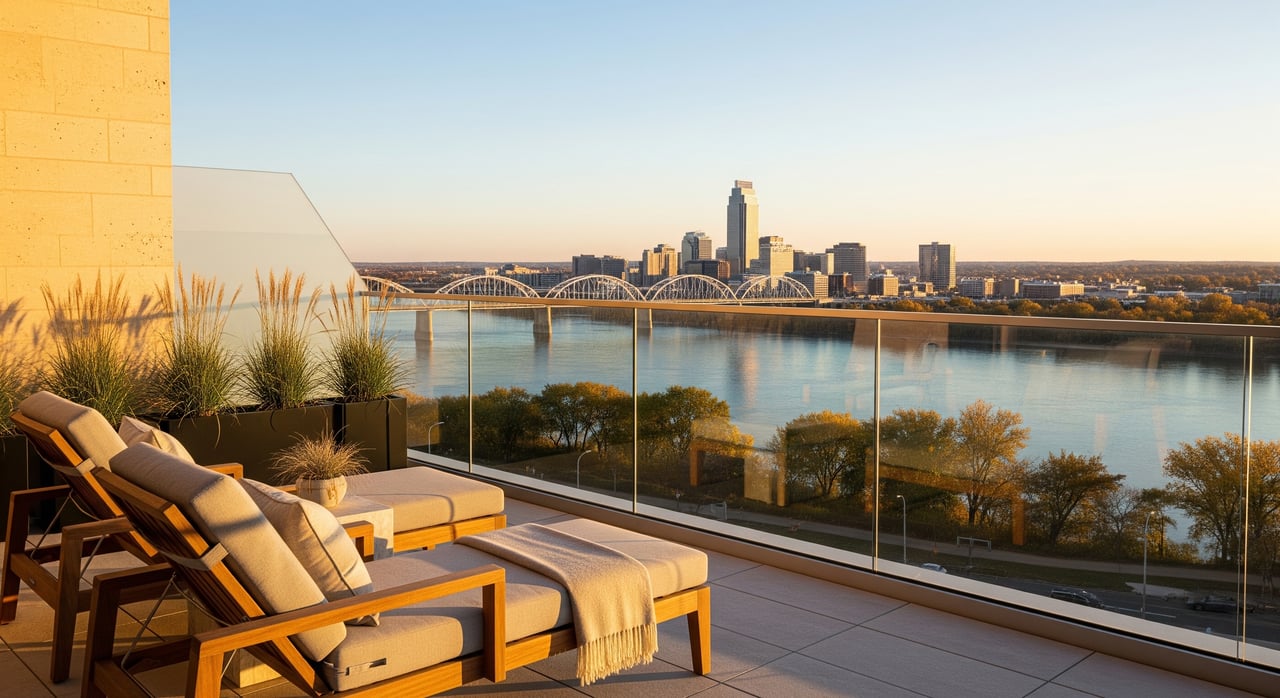
Imagine stepping out for a morning coffee, wandering past public art and fountains at Gene Leahy Mall, then catching sunset views from the Bob Kerrey Pedestrian Bridge. If you are curious about what everyday life looks like near Omaha’s riverfront, you are not alone. This area blends historic charm, new parks, and an easy connection to employers and entertainment. In this guide, you will learn how each pocket feels, what amenities you will actually use, how people get around, and what to consider when buying. Let’s dive in.
Riverfront pockets guide
Old Market
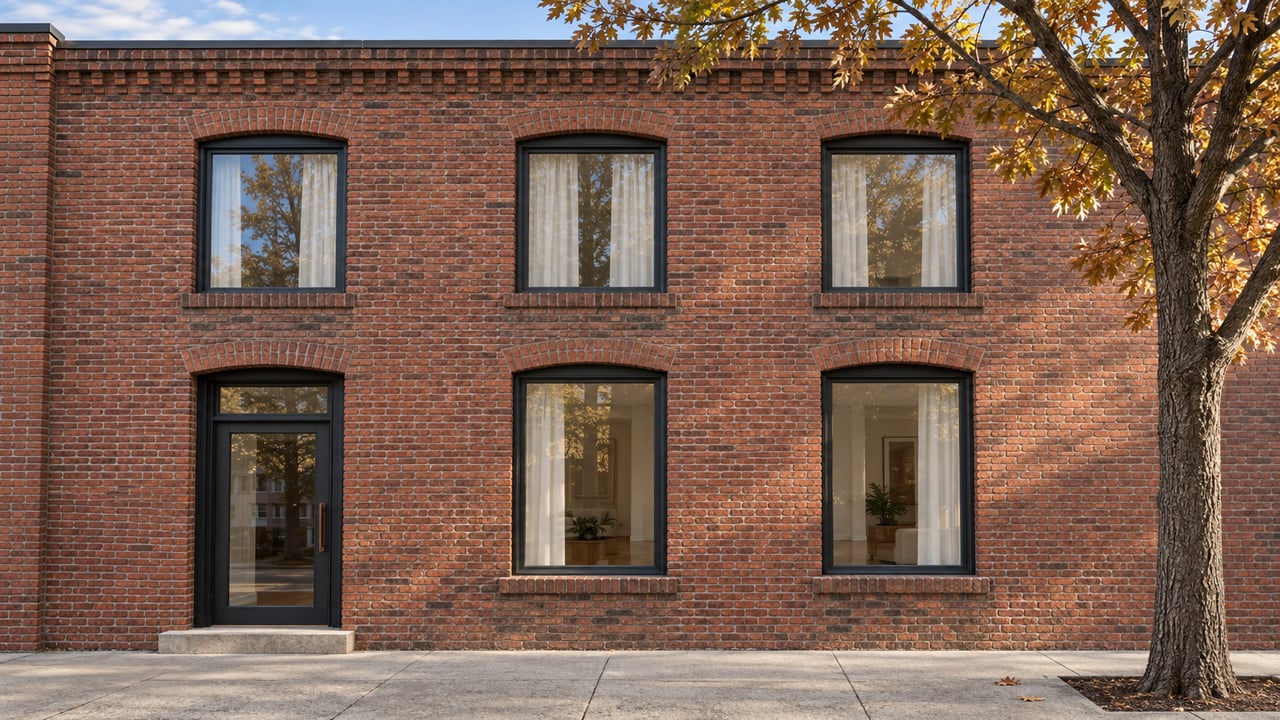
The Old Market is Omaha’s historic core with cobbled streets, brick warehouses, and a dense, walkable feel. You will find galleries, boutiques, restaurants, and nightlife clustered within a few blocks. Housing is mostly converted lofts, boutique condos, and some new infill apartments. If you want an urban routine with dinner and entertainment right outside your door, this pocket fits well.
Gene Leahy Mall and Heartland of America Park
This downtown riverfront stretch centers on landscaped lawns, fountains, and promenades that lead toward river views. Daytime is relaxed and family friendly, with paths for everyday walks and seasonal displays. Housing nearby includes downtown condos, newer apartments, and some townhomes within a short walk. If you want green space and quick access to downtown employers, this area is a strong match.
NoDo and the stadium district
North Downtown, near Charles Schwab Field, blends creative spaces with sports and entertainment. You will see breweries, arts venues, and industrial buildings turned into lofts. Most housing is newer apartments and loft conversions, with some older single-family homes a bit farther north. Choose NoDo if you like being close to events and a growing mix of restaurants and creative studios.
Lewis & Clark Landing and the bridge corridor
Along the river, Lewis & Clark Landing anchors plaza spaces, docks, and interpretive signs about river history. The Bob Kerrey Pedestrian Bridge is a favorite for walking, biking, and skyline views across the Missouri River toward Council Bluffs. There is limited housing directly on the river’s edge because parks and civic spaces dominate. Residential options increase as you move a short walk inland toward downtown or NoDo.
Nearby residential options within minutes
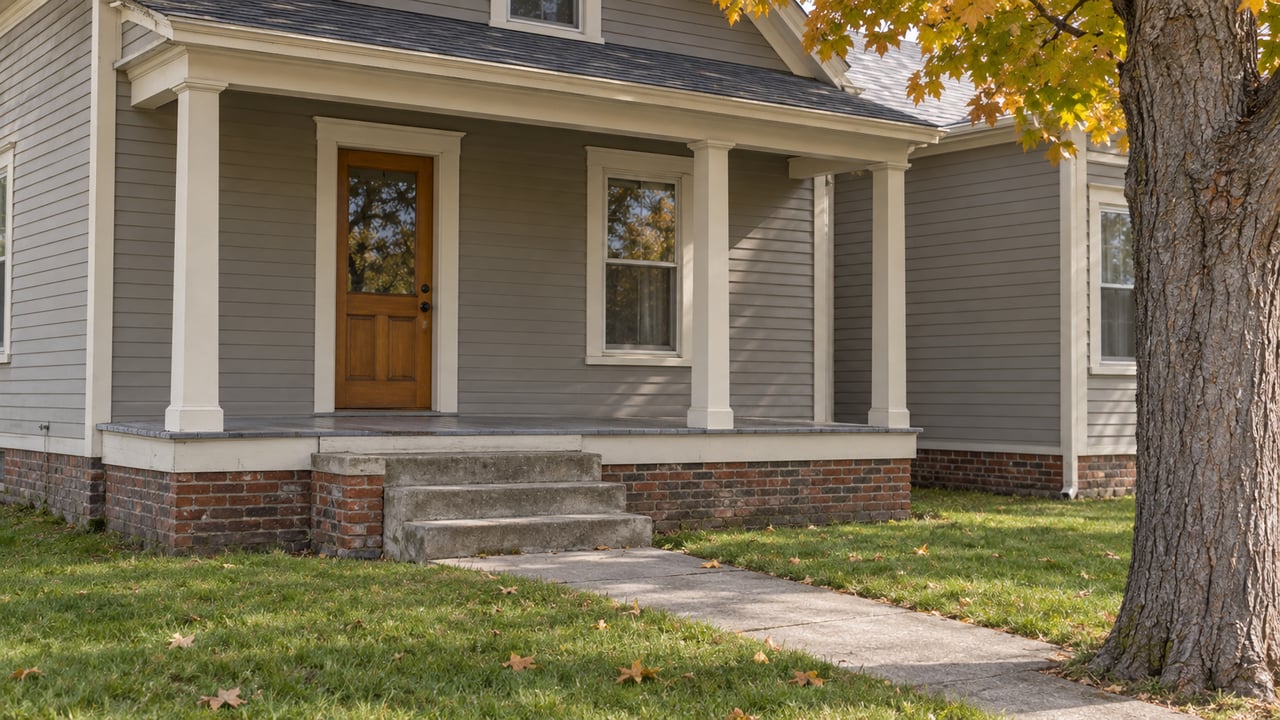
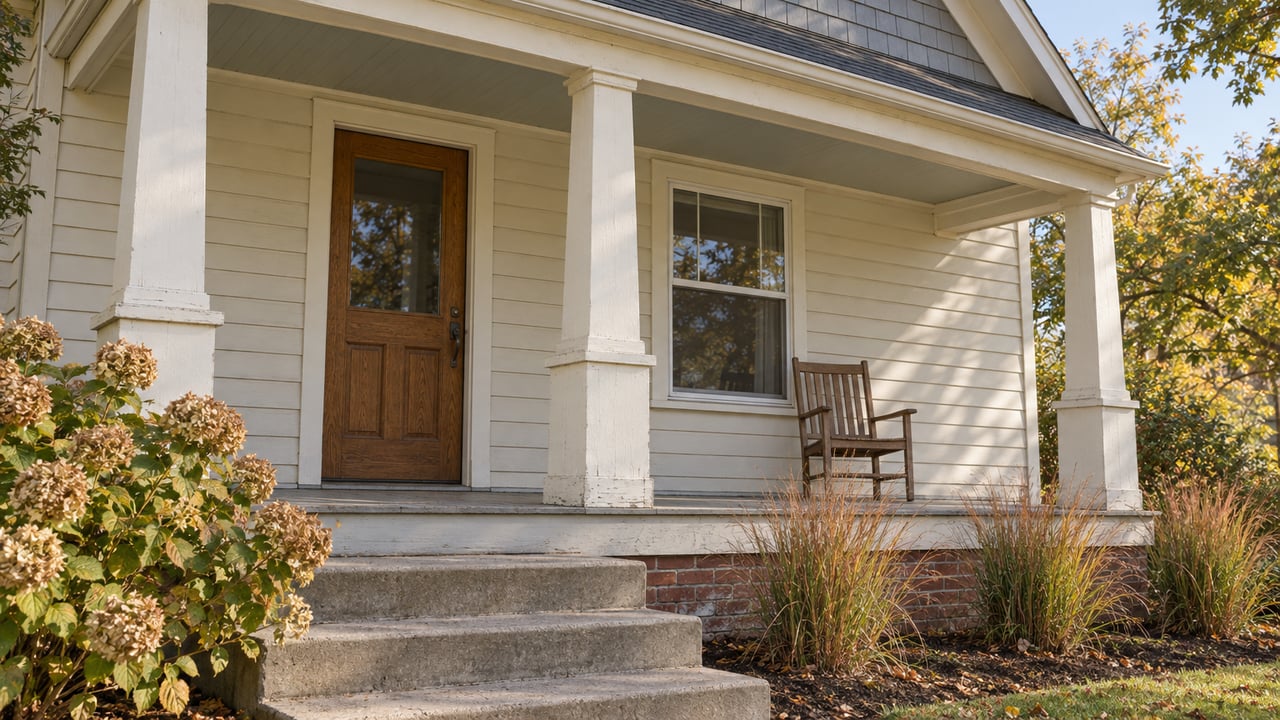
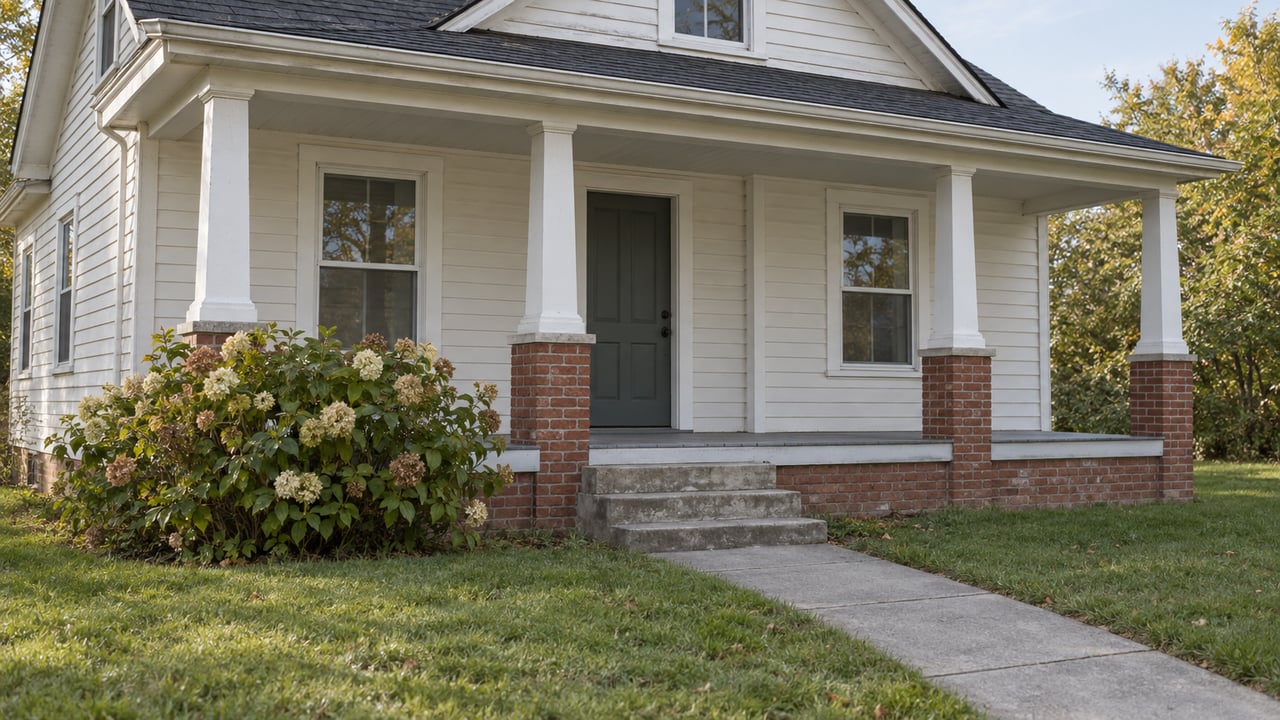
Within a quick commute or short ride, neighborhoods like Blackstone, Bemis Park, Dundee, and Aksarben offer more traditional residential streets. Expect historic single-family homes, tree-lined blocks, and local shops. These areas balance proximity to the riverfront with quieter, residential character. They are ideal if you want yards and a suburban feel while keeping downtown access.
Daily amenities and rhythm
Parks and trails
The riverfront’s parks are part of daily life. Gene Leahy Mall and Heartland of America Park offer landscaped paths for dog walks, open lawns for events, and easy loops for quick exercise. Lewis & Clark Landing provides direct river access and spaces that work for meetups or a quiet lunch outside. Riverfront trails connect these parks and link to broader Omaha trail networks for longer rides or runs.
Dining and markets
Old Market holds the highest concentration of restaurants, cafes, and boutiques, so you can keep weeknight plans simple. NoDo and Blackstone add breweries, smaller restaurants, and live music. Seasonal markets pop up throughout the year, and you can find specialty food shops near Old Market. For a deeper grocery run, you will likely head a mile or two west where full-service supermarkets are more common.
Culture and events
You can catch performances at downtown theaters, explore galleries, and walk to sporting events at the stadium district. Annual gatherings, including the College World Series in June, bring big crowds and busy weekends. That energy is part of the appeal for many residents. Plan ahead during major events for parking and dinner reservations.
Everyday services
Hospitals and clinics sit near downtown, and many family-oriented services and schools are located in surrounding neighborhoods. You will also find convenience stores and specialty grocers close to Old Market for quick trips. If you prefer a single weekly grocery shop, expect a short drive or transit ride to midtown corridors. For schools and services, confirm what serves a specific address before you buy.
Getting around
Walk and bike
The Old Market and the immediate riverfront are highly walkable for dining, errands, and entertainment. The Bob Kerrey Pedestrian Bridge and the riverfront trail system make daily biking and jogging easy. Many residents do not need a car every day. If you like short trips on foot, this area supports that routine.
Transit overview
Metro Transit connects downtown to key corridors across Omaha. Higher frequency service operates along major routes, including the Dodge Street corridor served by Bus Rapid Transit. If you commute outside downtown, review current schedules and stops to plan your route. Transit can be an efficient option for west-side employment centers.
Driving and parking
I-480 runs through downtown and links to I-80 south of the core, so regional commutes are straightforward by car. Surface arterials like Dodge Street, Farnam, and 10th through 20th streets make quick work of cross-town trips. Many downtown residents use paid garages, resident permits, or assigned building spaces. On-street parking can be tight near Old Market during evenings and event weekends, so confirm parking details for each building.
Commute snapshots
If you work downtown, walking or biking may be faster than driving. If your job is in midtown or west Omaha, you can combine transit and trail access or use I-80 and Dodge Street for predictable commutes. For cross-river plans, the pedestrian bridge provides a car-free connection to Council Bluffs. Choose your pocket based on where you go most often.
Housing and buyer tips
What you will find
- Condos and lofts: Warehouse conversions and boutique condo buildings are common in Old Market and downtown. Units can be smaller and efficient, with HOA dues that cover exterior maintenance, trash, and often shared amenities.
- Apartments: Mid-rise and high-rise rentals attract renters and professionals who want flexible lease terms and building amenities.
- Townhomes and infill: Newer townhome projects appear on the edges of downtown and NoDo, offering multi-level living and private entries.
- Single-family homes: Most are one to three miles out in historic neighborhoods like Bemis Park, Dundee, and around Blackstone, with a short commute to the riverfront.
What drives value
Proximity to Old Market dining, riverfront parks, and event venues typically supports higher rents and sale prices compared with similar homes farther out. Ongoing revitalization and park investments influence demand. Buildings closer to parks and the bridge often see stronger interest from buyers who prioritize walkability. If you want the best mix of space and access, look just beyond the densest blocks where pricing can be more balanced.
Buyer checklist
Use this quick list to compare options:
- Layout and size: Loft-style studios, 1-bedrooms, and 2-bedroom condos each live differently. Walk through with your daily routine in mind.
- HOA dues and coverage: Review monthly dues, reserves, rules on rentals or short-term rentals, and any history of special assessments.
- Parking specifics: Check for deeded or assigned spaces, guest parking, and permit rules. Ask about garage clearance if you drive a larger vehicle.
- Flood risk: Properties nearest the Missouri River may sit in FEMA flood zones. Request the flood zone designation and an elevation certificate, then consult your insurer on coverage requirements and premiums.
- Walkability and transit: Note your nearest transit stops and preferred walking routes to parks, groceries, and work.
- Nearby schools and services: Verify attendance boundaries and service providers for a specific address if those are priorities for your household.
Notes for investors
Event-driven demand around summer festivals and the College World Series can boost short-term rental interest. Confirm current City and HOA rules on rentals before you underwrite a property. Vacancy and rents can shift seasonally near the riverfront, so use fresh market data when modeling yields. Adaptive reuse buildings may have unique maintenance needs, so budget for mechanical and structural diligence.
Which pocket fits you
If you want to live in the action, the Old Market places dining, galleries, and bars within a quick walk. If green lawns and river views are your priority, aim for blocks around Gene Leahy Mall and Heartland of America Park. If events, breweries, and creative spaces draw you, NoDo fits the brief. If you want quiet streets and a yard within a short commute, look to nearby neighborhoods like Dundee, Bemis Park, Blackstone, or Aksarben.
Next steps
Walk the area at different times of day to feel the tempo. Visit during a major event weekend as well as a quiet weekday to see the difference in parking and crowds. Review HOA documents, parking details, and flood information early in your search, then match each building’s realities to your daily routine. A local, full-service agent can help you weigh tradeoffs, evaluate rehab potential, and flag rules that affect your monthly costs.
If you want a clear plan for tours, pricing, and HOA or flood questions, reach out to a trusted local advisor. Lisa Zimmerman pairs deep Omaha-metro knowledge with staging and rehab insight to help you pick the right pocket, the right building, and the right unit for how you live.
FAQs
What is the day-to-day feel of Omaha’s Old Market near the riverfront?
- Expect a dense, walkable area with cobbled streets, galleries, restaurants, and active evenings and weekends.
Where do residents exercise and get outside near the riverfront?
- Gene Leahy Mall, Heartland of America Park, Lewis & Clark Landing, and the Bob Kerrey Pedestrian Bridge offer daily walking, biking, and open green spaces.
How is parking for residents around Old Market and NoDo?
- Many residents use paid garages, permits, or assigned building spaces, and on-street parking can be limited during evenings and event weekends.
Are homes near Omaha’s riverfront in a flood zone?
- Some properties closest to the Missouri River may be in FEMA-designated flood zones, so request the flood zone, elevation certificate, and insurance guidance for each address.
What housing types are common near the riverfront?
- You will find downtown condos and lofts, newer apartments, and townhomes near the core, with most single-family homes one to three miles out in historic neighborhoods.
What should I look for in downtown condo HOAs?
- Review dues, reserves, rules on rentals or short-term rentals, recent or planned special assessments, and what services and amenities are included.
What transit options connect the riverfront to the rest of Omaha?
- Metro Transit serves downtown and the surrounding area, with higher frequency service along major corridors such as the Dodge Street Bus Rapid Transit line.