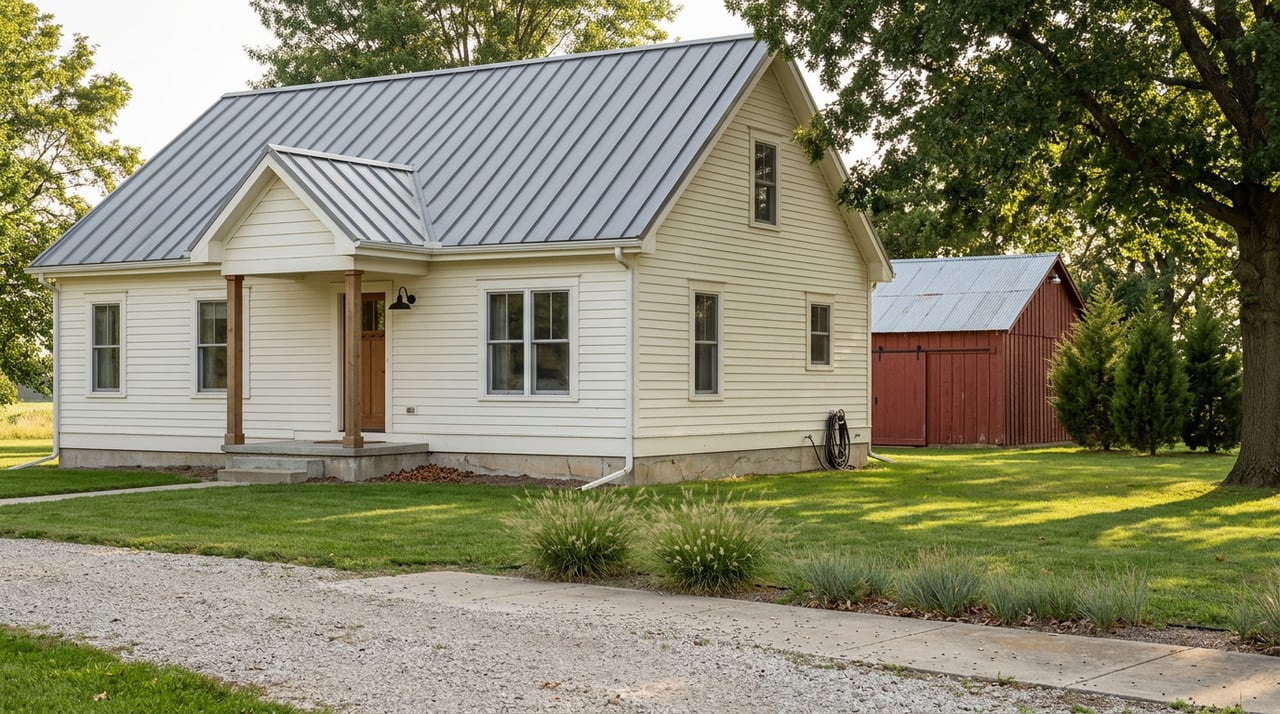
Dreaming about space to breathe, a barn for your gear, or a few rows of grapes outside your kitchen window? Buying acreage or a small hobby farm near Lincoln can be rewarding, but it comes with rules and details that do not show up in a typical city home search. If you know what to check early, you can avoid surprise costs and delays at closing. This guide walks you through the essentials for Lancaster County so you can move forward with confidence. Let’s dive in.
Zoning and jurisdiction
Before you fall in love with a property, confirm who regulates it. Lancaster County and the City of Lincoln share a planning program. Parcels inside Lincoln and the City’s 3‑mile extraterritorial area follow City zoning. Most other unincorporated land follows County zoning.
Zoning affects what you can do. It sets rules for livestock numbers, accessory buildings, agritourism events, and whether a use is allowed by right, conditional use, or special permit. Do not assume something is allowed because you see it next door. Parcels can be zoned differently.
Start with the official zoning map. Use the City and County viewer to verify jurisdiction and current zoning, then call planning staff with your specific plans. You can access the zoning resources on the City’s website at the Planning & Development Services zoning page. Visit the zoning resources at the City’s Planning & Development Services site to confirm zoning and jurisdiction. Check the current zoning and permitted uses on the City’s viewer under Zoning and the sectional maps for parcel context. You can start here: Lincoln/Lancaster Planning & Development Services zoning.
Plan access and driveways
If your parcel touches a county road, you will need a county driveway permit for any new or relocated access. The County reviews sight distance and drainage, and many sites need a culvert and ditch work. Reviews typically take about 10 working days. There is no fee for the county driveway permit.
Ask the seller and your title company who maintains the road. Some roads are county maintained, others are private. Private roads can mean you and your neighbors handle snow and dust control. Confirm any recorded access easements early.
For permit details and the application, review the County’s guidance on access and culverts. You can read it here: Lancaster County driveway permit information.
Water and septic basics
Most acreages rely on a private well, a rural water district connection, and an onsite wastewater system (septic, lagoon, or mound). Water and wastewater are highly site specific, so build time into your offer for inspections and approvals.
- Wells and permits. The Lower Platte South NRD manages well permitting and groundwater protection. Permit needs depend on pump size and location. The Lincoln‑Lancaster County Health Department (LLCHD) is involved for wells inside Lincoln and the 3‑mile area. Start with the NRD’s guidance to see what applies to your situation: LPSNRD well permits overview.
- Required property‑transfer inspection. Before closing, Lancaster County requires a Property Transfer inspection when a home has a private well or onsite wastewater system. Expect water quality testing and a septic inspection. Ask for the LLCHD determination letter early since it can affect closing timelines. Learn about this process at the county’s public information page: LLCHD property‑transfer inspection information.
- Septic design rules. Nebraska Title 124 sets statewide design, setback, soil, and permitting standards. Soil and groundwater conditions may require a mound system or other upgrades. Review the state booklet if you plan repairs or a new system: Nebraska Title 124 onsite wastewater rules.
- Rural water districts. Some areas can connect to rural water instead of drilling a well. Ask about connection costs, meter fees, availability, and any current watering restrictions. A major provider is Lancaster County Rural Water District No. 1. See their overview here: Lancaster County Rural Water District No. 1.
Buyer action steps:
- Request well records: depth, age, pump test, and recent water tests (nitrate and coliform at a minimum).
- Get septic documents: design, permit/registration, pump history, and the LLCHD property‑transfer determination letter.
- If there is no private well, verify rural water serviceability in writing, including the tap fee and installation cost.
Outbuildings and farm uses
Shops, barns, and large accessory structures often need building permits. If a structure supports a business that changes traffic or parking, planning review may apply. Accessory dwelling units or second residences on AG parcels may need a special permit and septic review.
If you plan a farm business or events, do not skip zoning due diligence. Recent updates clarified uses such as farm wineries and seasonal agritourism, which often require conditional or special permits and include conditions for parking, noise, and setbacks. Get the parcel’s permit history and confirm that any existing outbuildings were permitted and finaled.
For process steps and submittal requirements, use the City/County development guide as a roadmap: Development Review guide.
Utilities and broadband
Electric service in and near Lincoln is primarily the Lincoln Electric System, with parts of rural Lancaster County served by a public power district. Confirm which provider serves the parcel and whether there are utility easements on title. Ask for written serviceability and any line‑extension costs.
Water and sewer vary outside city limits. Many acreages use private wells and onsite systems. Where rural water is available, get written confirmation of capacity and the total cost to connect. If a sewer main is nearby, confirm whether connection is required or optional and what the assessment would be.
Broadband is not equal across rural areas. Lancaster County partnered with ALLO to expand fiber in rural parts of the county. Availability is still address specific, so check actual service to the property line and installation charges. Read more about the fiber expansion here: Lancaster County and ALLO rural fiber project.
Taxes and land valuation
Agricultural and horticultural land in Nebraska can qualify for special valuation, often called greenbelt. When eligible, the land is assessed differently, historically at 75 percent of its special value for most taxes. Parcels near Lincoln may show non‑agricultural influences that affect eligibility and valuation methods. Always confirm special valuation status with the County Assessor and review state guidance. Start with the Nebraska Department of Revenue’s overview: Nebraska property assessment FAQs.
Market values for hobby‑farm parcels often differ from pure cropland. Small acreages near Lincoln can trade at a premium for building sites, road access, and proximity to the city. Use both local comparable sales and regional ag surveys to set expectations. UNL’s survey provides useful context: UNL Nebraska Farm Real Estate resources.
Practical steps:
- Ask for the current tax classification and whether the parcel receives special valuation.
- Review the assessor’s land and improvement history and any recent appeals.
- Confirm if the land has a conservation easement, CRP enrollment, or other use restrictions.
Environmental and soils
Soils, percolation rates, and groundwater depth determine what kind of septic system you can install and where a home can sit. Title 124 requires soil and site evaluations for new systems and many repairs. Budget time for testing, and price out upgrades if the existing system is near end of life.
Check floodplain and wetland overlays before planning new buildings. Floodplain designations can limit placement, add engineering costs, and trigger flood insurance. Use the City/County sectional maps and FEMA data to see floodways, floodplains, and other overlays on your parcel. Explore the map tools here: Sectional plat and flood map viewer.
If you plan irrigation or significant water use, verify whether the parcel lies within a groundwater reservoir or special management area. These designations can affect well permitting and farm practices. Your first stop is the NRD’s well‑permit resources noted above.
Buyer due‑diligence checklist
Use these items before you write an offer or as contingencies:
- Jurisdiction and zoning. Confirm if the parcel is inside Lincoln, inside the 3‑mile area, or in unincorporated Lancaster County. Pull the zoning designation and permitted uses. Start with the zoning viewer.
- Access and roads. Determine if the road is county maintained or private. Request any existing driveway or culvert permits and ask about winter maintenance and dust control. See the driveway permit guidance.
- Well details. Gather age, depth, pump test, and recent water quality results. If there is no well, confirm rural water availability and connection cost with the district. Use the LPSNRD well‑permit guide and the Rural Water District No. 1 overview.
- Septic system. Get design documents, permit or registration, last pump date, and a current LLCHD property‑transfer determination letter. Review the Title 124 standards.
- Utilities and broadband. Confirm electric provider, gas availability, and address‑level broadband options with installation costs. Check the county’s fiber expansion update: rural fiber project.
- Permits and improvements. Ask for building permits and final inspections for the home, additions, shops, and barns. Unpermitted work can delay closing.
- Easements and covenants. Order a title commitment and review recorded utility and access easements and any conservation or pipeline encumbrances.
- Floodplain and wetlands. Use the sectional plat and flood map viewer to identify constraints before planning new construction.
- Taxes and classification. Confirm current tax status and special valuation eligibility with the assessor, and review state guidance: Nebraska property assessment FAQs. Compare nearby sales with context from UNL’s land value survey.
- NRD constraints. If you plan irrigation or high‑volume use, confirm NRD boundaries and permit thresholds using the NRD resources listed above.
Red flags to pause on
- Unpermitted or failing septic systems, or water tests showing high nitrate or coliform bacteria.
- No confirmed legal access or unclear responsibility for private road maintenance.
- Structures without permits or final inspections that create title or insurance issues.
- Significant mapped floodway or wetland areas that restrict building locations.
- Large recent tax assessment changes or loss of special valuation without explanation.
- Parcels within groundwater management areas that limit planned water use.
Ready to walk acreage with a practical plan? Whether you are eyeing five acres for a garden and a shop or a larger hobby operation, you can move faster and negotiate smarter when you bring these checks to the table. If you want help sourcing the right parcel and coordinating due diligence, reach out to Lisa Zimmerman for clear next steps and local guidance.
FAQs
Do I need a well permit in Lancaster County?
- It depends on pump size and location. Check requirements with the NRD and LLCHD using the NRD’s well‑permit guidance before drilling.
What inspections are required before closing on an acreage?
- For homes with a private well or onsite wastewater, Lancaster County requires a Property Transfer inspection with water testing and a septic review that leads to a determination letter.
Can I add a shop, barn, or second dwelling on my acreage?
- Many outbuildings need building permits, and accessory dwellings often require a special permit and septic review. Confirm your plan with planning staff before you build.
How are acreage taxes calculated if the land is agricultural?
- Eligible agricultural land can receive special valuation, historically assessed at 75 percent of its special value for most taxes. Verify eligibility with the assessor and consult state guidance.
Will I get high‑speed internet on a rural parcel near Lincoln?
- Broadband varies by address. Lancaster County partnered with ALLO to expand rural fiber, but you should confirm actual serviceability and any installation costs for the specific property.